Patric Tengelin
Researcher, Digital Nomad & Writer
About Patric Tengelin
Patric Tengelin is an independent researcher, writer, and digital nomad who has lived and worked throughout the Caribbean, Latin America, Europe, and Asia.
His work focuses on remote work, international mobility, residency programs, and the practical realities of long-term travel.
He has written extensively about living abroad, digital nomad visas, and the cultural experiences encountered while working remotely around the world.
Working Remotely from Barbados
In this personal memoir, Patric Tengelin reflects on living and working remotely in Barbados under the Welcome Stamp program, exploring themes of international mobility, belonging, cultural adaptation, and the everyday experiences that transformed a temporary stay into a lasting memory.
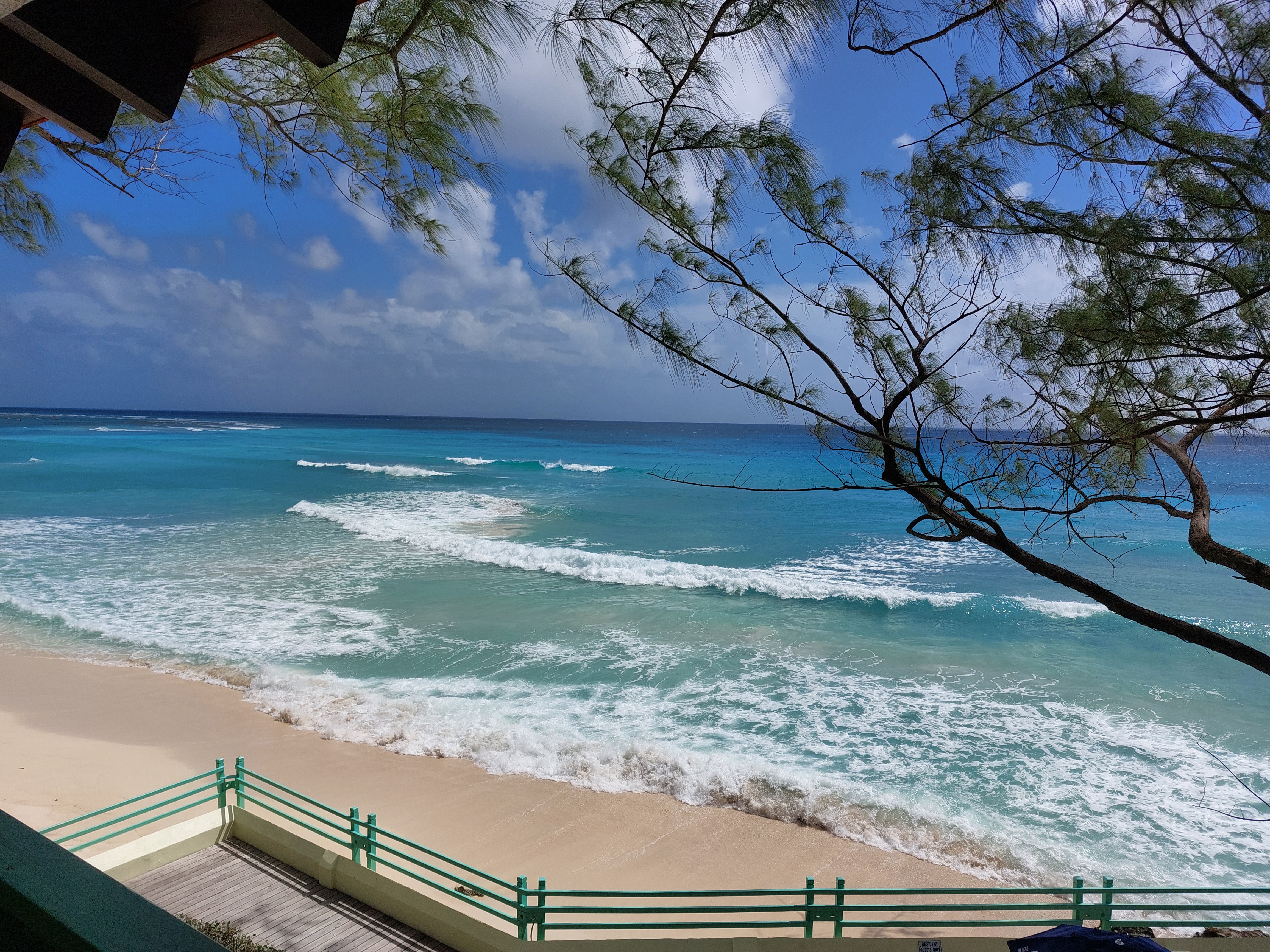
Barbados arrived in my life at a particular moment in history.
In 2021, much of the world was still navigating border restrictions, travel uncertainty, and the lingering effects of the pandemic. International movement, something many people had once taken for granted, suddenly felt complicated. Yet Barbados had chosen a different path. Through its Welcome Stamp program, the island opened its doors to remote workers and offered something that was becoming increasingly rare: a chance to live abroad with clarity, stability, and legal certainty.
I applied, packed my belongings, and headed for the Caribbean.
At the time, I viewed Barbados primarily as a practical decision. It offered sunshine, reliable infrastructure, English as the primary language, and a straightforward residency framework for remote workers. What I did not realize was how much the experience would stay with me long after I left.
Like everyone arriving under the rules in place at the time, I began my stay in quarantine. Oddly enough, I remember those two weeks fondly. The world had spent months rushing from one crisis to the next, and suddenly there was nowhere to be and nothing urgent to do. Life narrowed to a few simple routines. For me, it meant breakfast served on my balcony, and work with the best view I have ever enjoyed. When quarantine finally ended, I was sad as that meant losing access to the private beach and saying goodbye to the wonderful people working at the hotel where I had stayed.
A taxi carried me across the island toward my first long-term accommodation, a bit inland. When we arrived, the driver looked around, turned toward me, and asked: “Are you sure you'll be okay here?”
I suspected the question had less to do with Barbados itself and more to do with where I had chosen to live. This wasn't a tourist district. There were no resorts, no cruise passengers, and no foreigners.
One of the things I came to appreciate most about Barbados was how naturally people made space for newcomers. Not through formal gestures or organized programs, but through everyday interactions.
One evening I was walking through a residential neighborhood when a man stopped and asked where I was headed. I told him I was staying nearby and mentioned the name of the homeowner I was renting from. His face immediately softened. “Welcome, brother,” he said.
The island itself revealed its character gradually. The wild chickens weren’t merely wandering around the neighborhood — they lived in my yard. Over time they seemed to figure out that I occasionally fed them. If I left the door open, one or two would sometimes stroll directly into the kitchen. Chasing each other around the yard and around the house I saw how incredibly fast they moved. Catching one was clearly out of the question for any normal human being.
One afternoon while waiting for a bus, I mentioned them to a local man. He pointed toward a nearby rooster, grinned from ear to ear, and in the thickest Bajan accent imaginable said: “If you can catch it, you can eat it.” That was the joke. We both knew there was absolutely no chance of catching it.
Then there were the monkeys. A neighbor once told me about throwing a stone toward a monkey to scare it away from his property. The following morning, several monkeys appeared outside his house and simply sat there watching.
During part of my stay, I lived next door to a physical education teacher whose classes had moved online. From my place I could hear him conducting PE lessons: “Jumping jacks!” … followed very quickly by “Take a break! Take a break!” It made me smile every time.
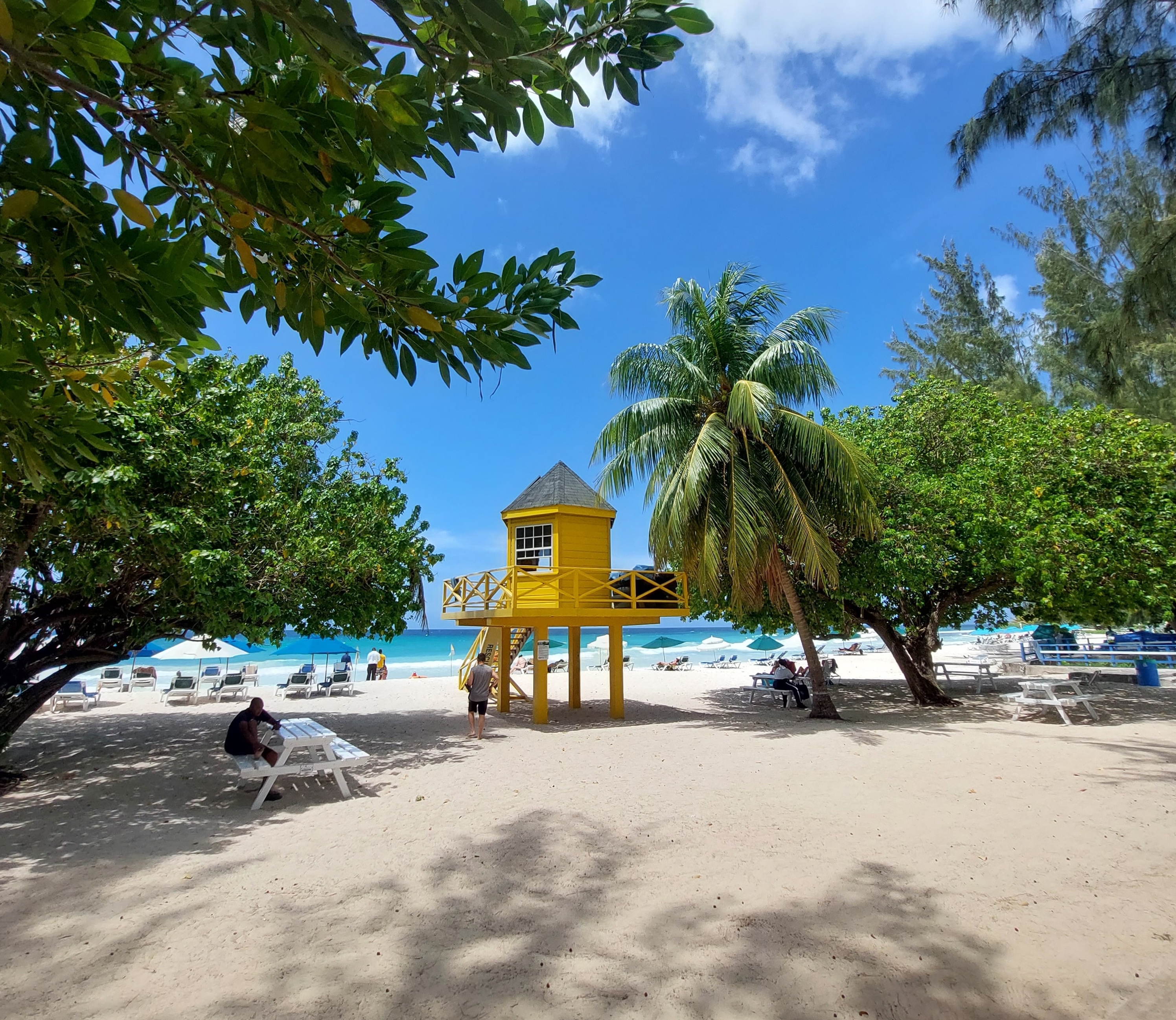
My own days settled into a rhythm. Morning swims before 6 a.m., then a bit of work. Afternoons often ended with a walk, a swim, or time spent outdoors. While I was able to continue earning a living remotely, many local residents were navigating an extremely difficult period as tourism slowed.
The island’s geography reinforced its uniqueness. The south coast felt social and energetic, while the east coast was windswept and dramatic. Every morning someone would offer a greeting. “Good morning.” Simple words, repeated day after day.
From a practical perspective, remote work was remarkably straightforward. Yet when I think back on Barbados today, those are not the details that come first to mind.
I remember being welcomed without explanation. I remember roosters wandering into my kitchen. I remember monkeys apparently capable of holding grudges. I remember a place that felt genuinely human.
Many destinations are beautiful from a hotel balcony. Far fewer remain meaningful once you have lived there, developed routines, met neighbors, and become part of everyday life. For me, Barbados was one of those places.
I originally arrived because of a residency program designed for remote workers. I left with a collection of memories that had very little to do with visas and almost everything to do with people.
And if the opportunity presented itself again, I would return without hesitation.
Disclaimer
The views expressed on BarbadosNomad.com are intended for informational and educational purposes only and should not be considered legal, tax, financial, or immigration advice.
Research Profiles
Independent researcher with an interest in global mobility, residency systems, international taxation, and cross-border regulatory environments. Research explores how legal and administrative frameworks influence the movement, settlement, and economic lives of internationally mobile individuals.